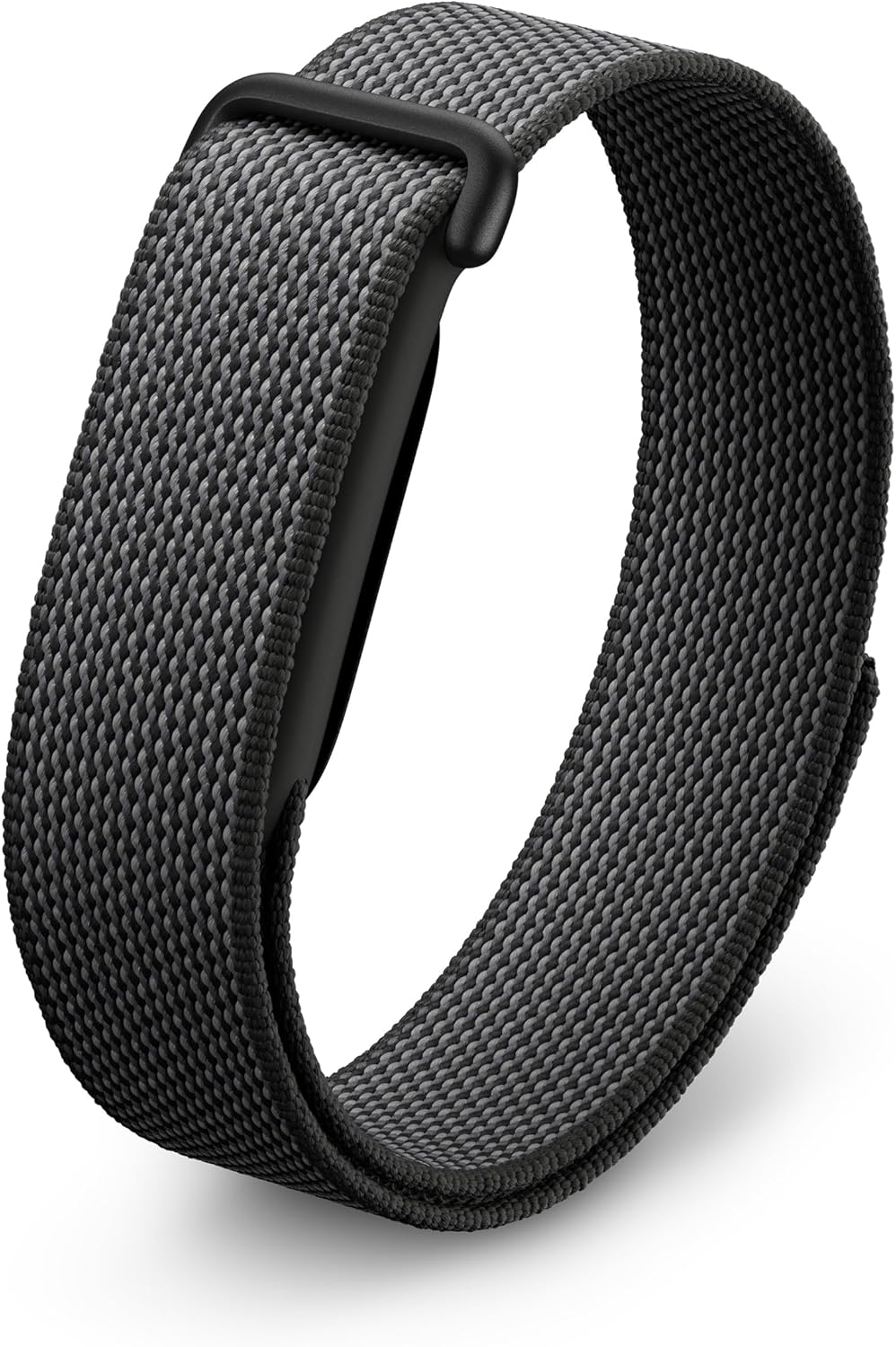
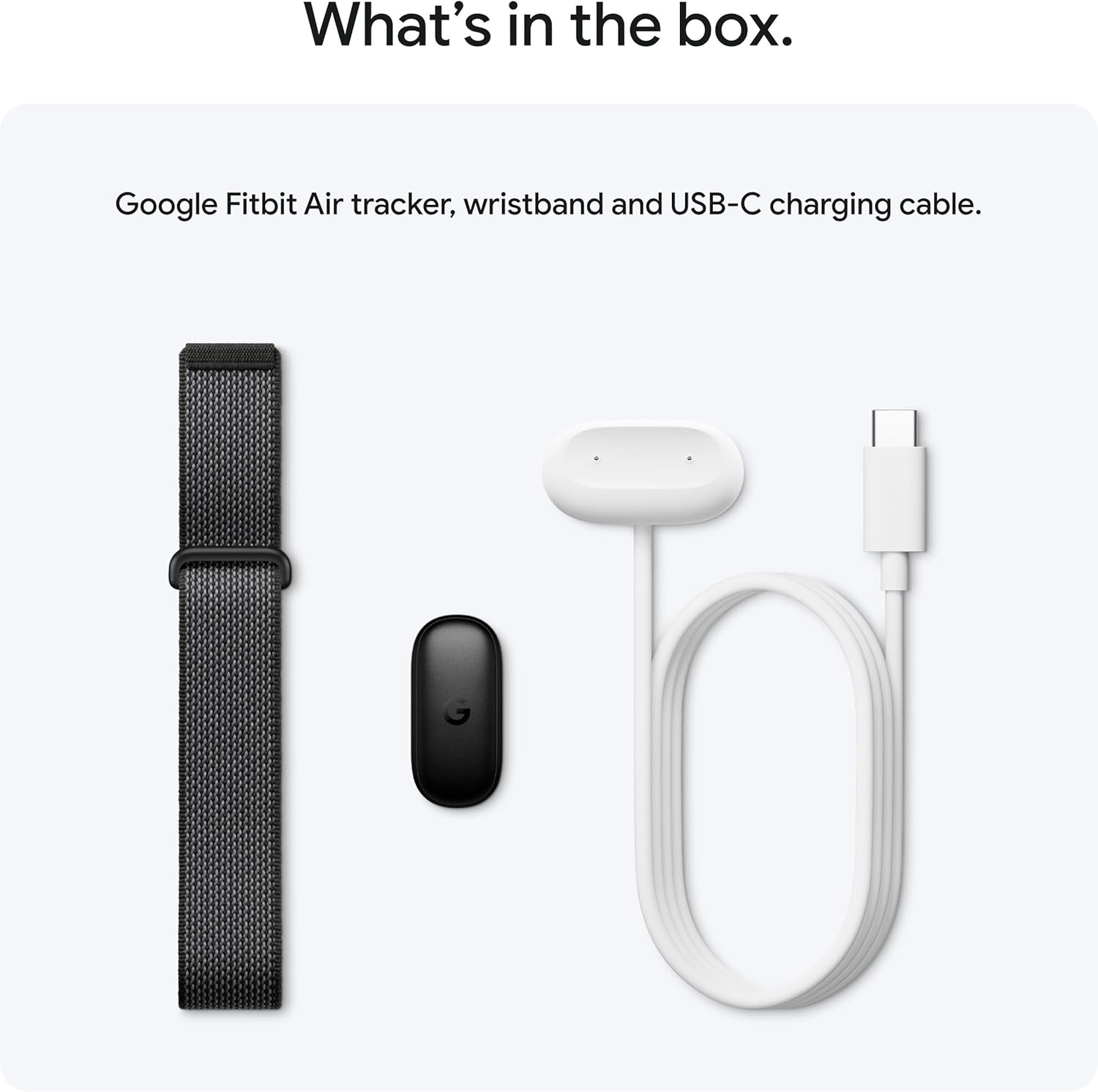
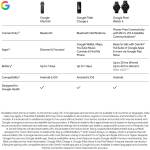
Device type — a compact screen-free fitness tracker designed for 24/7 health, sleep, and recovery monitoring.
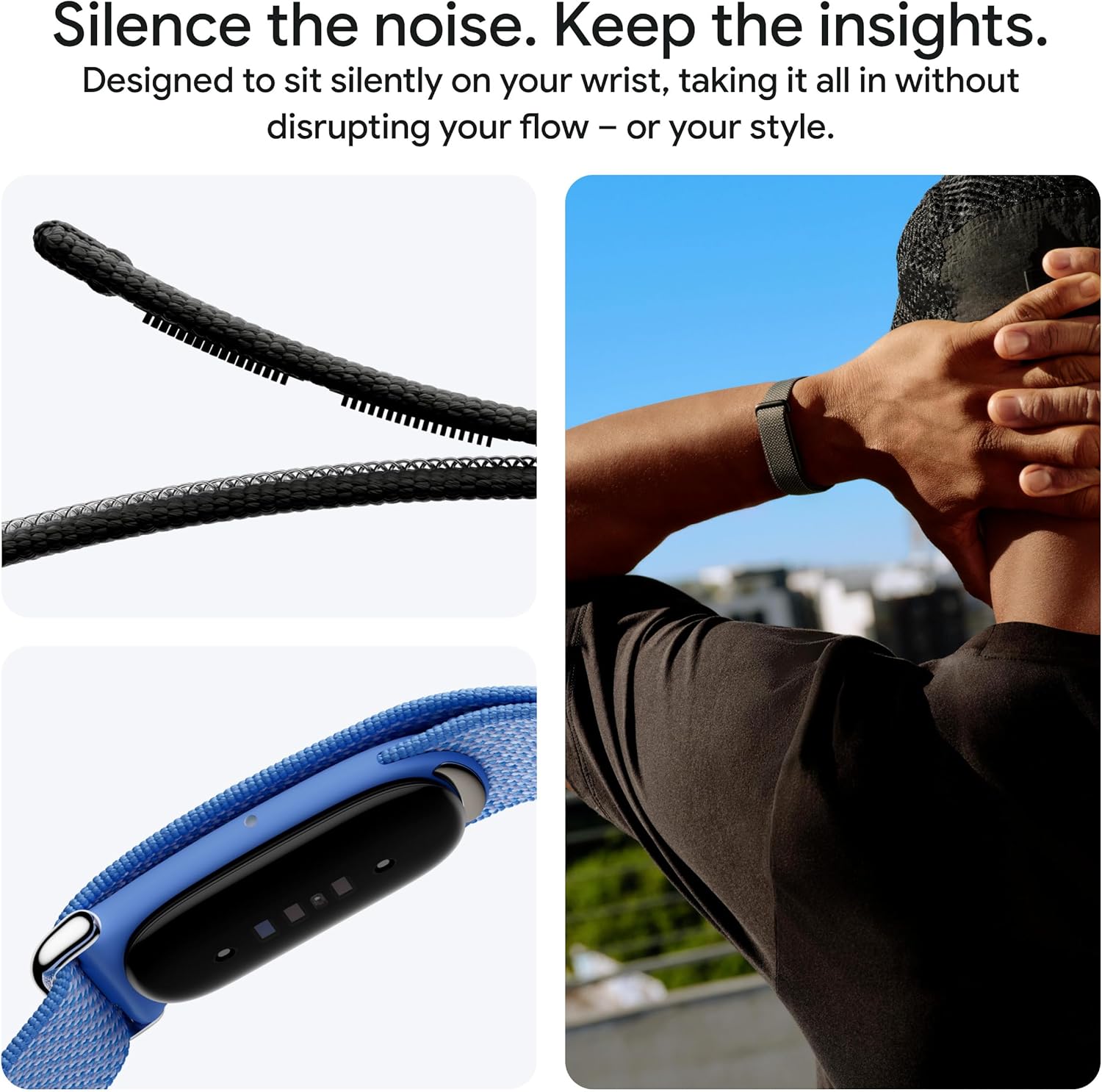
Display — no display; all health and fitness data is available in the Google Health app.
Weight — lightweight and comfortable enough for continuous day-and-night wear.
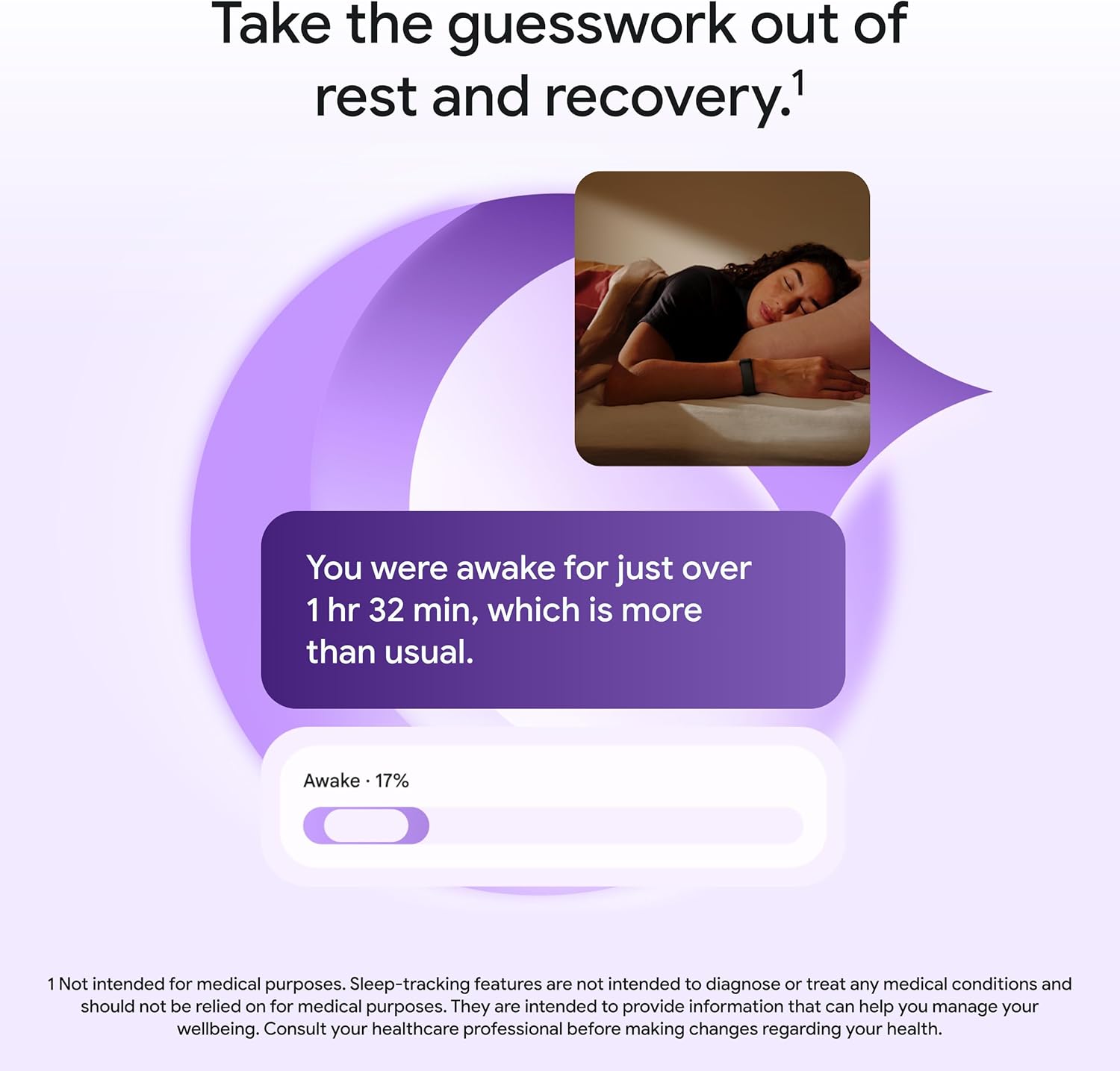
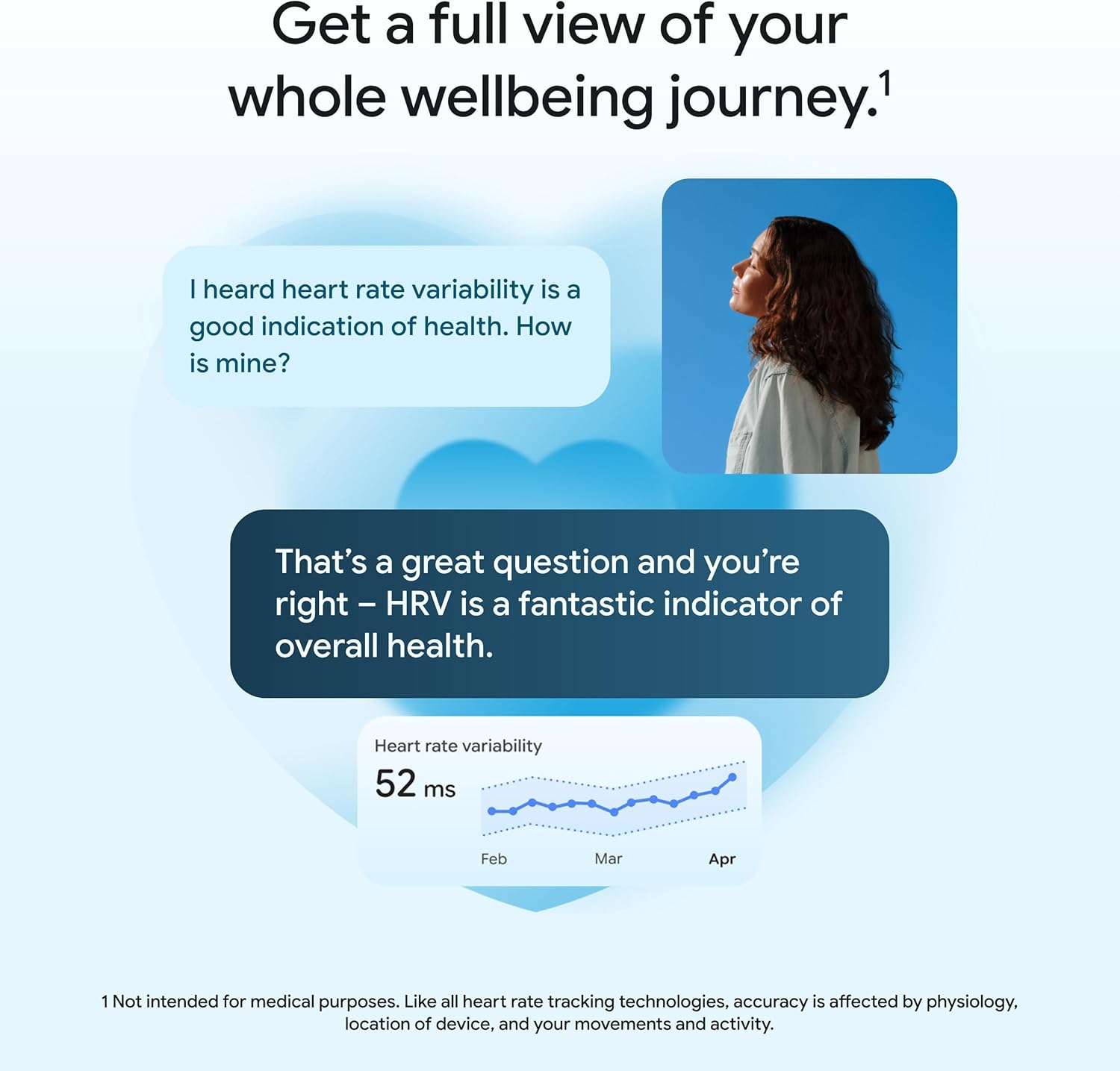
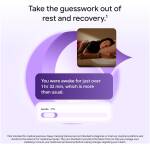
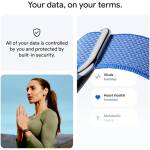
Health sensors — tracks heart rate 24/7, blood oxygen (SpO₂), heart rate variability (HRV), skin temperature, sleep stages, and breathing during sleep.
Heart rhythm monitoring — supports atrial fibrillation (Afib) notifications in supported countries.
Automatic workout detection — recognizes physical activities without manual input.
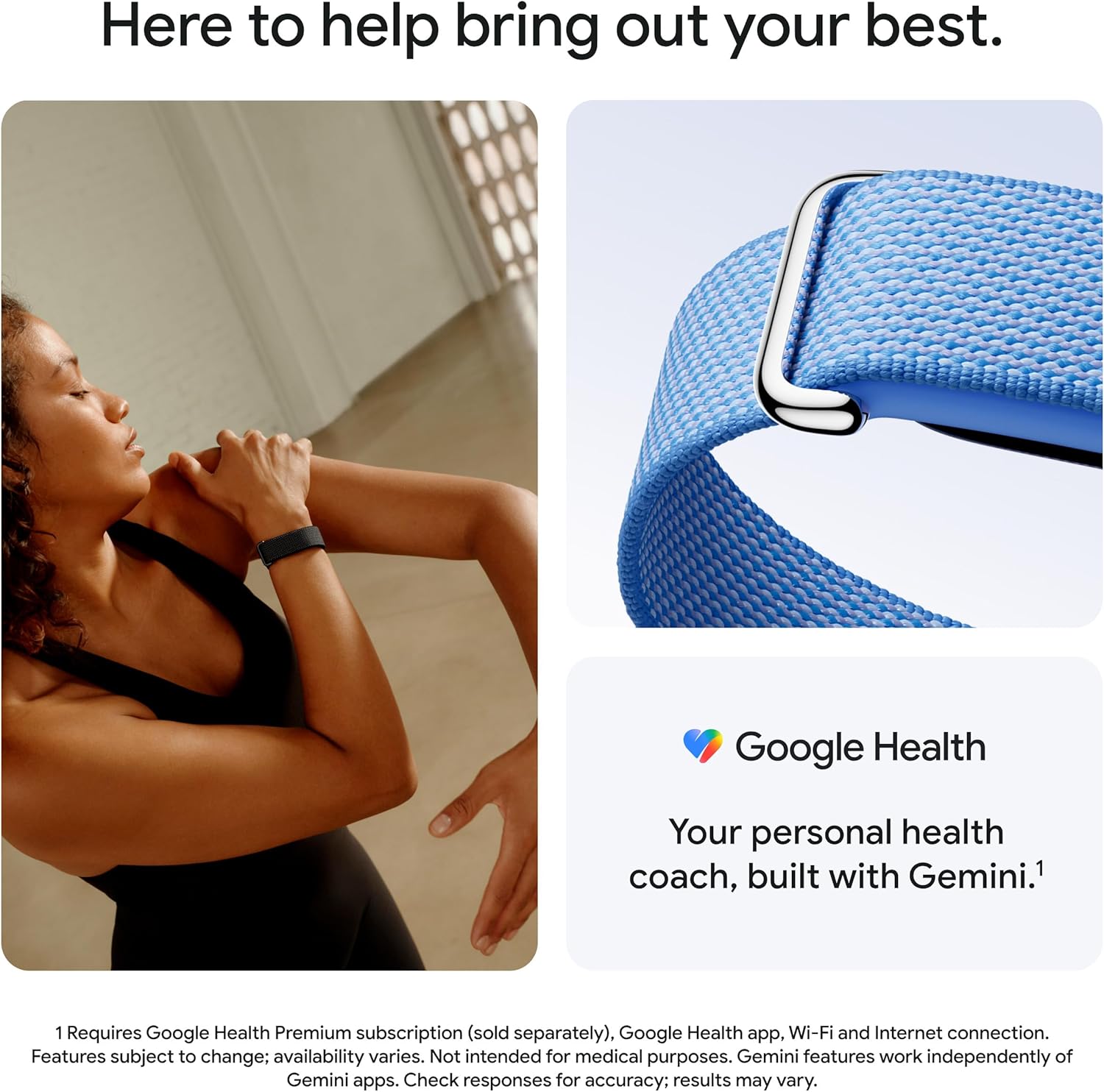
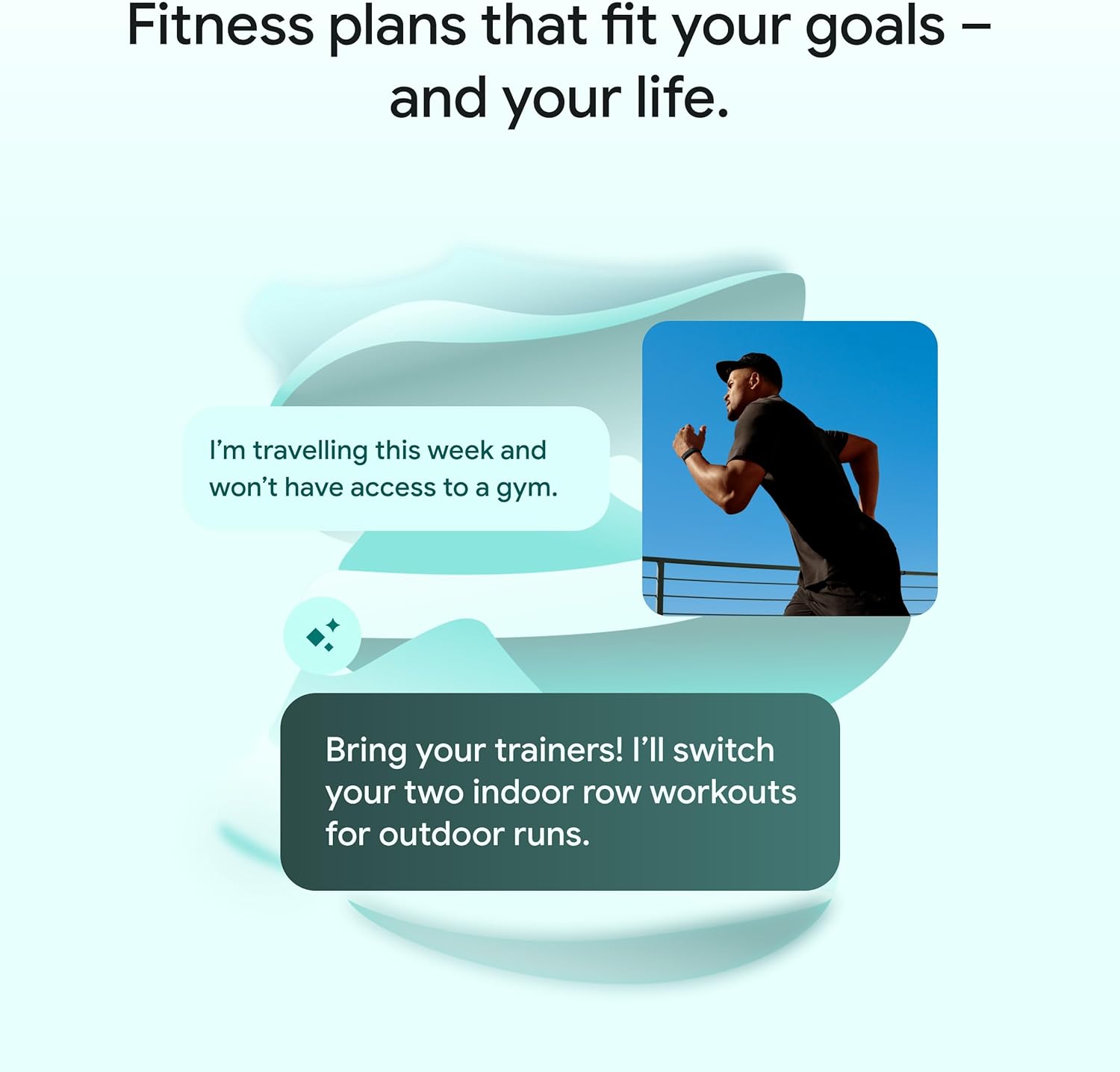
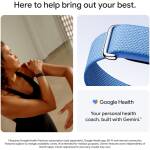
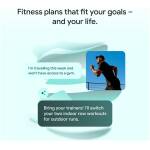
Google Health Coach — AI-powered personalized recommendations for health, recovery, and fitness.
Bluetooth connectivity — syncs seamlessly with the Google Health app.
GPS — no built-in GPS; route tracking uses the connected smartphone’s GPS.
NFC support — not available.
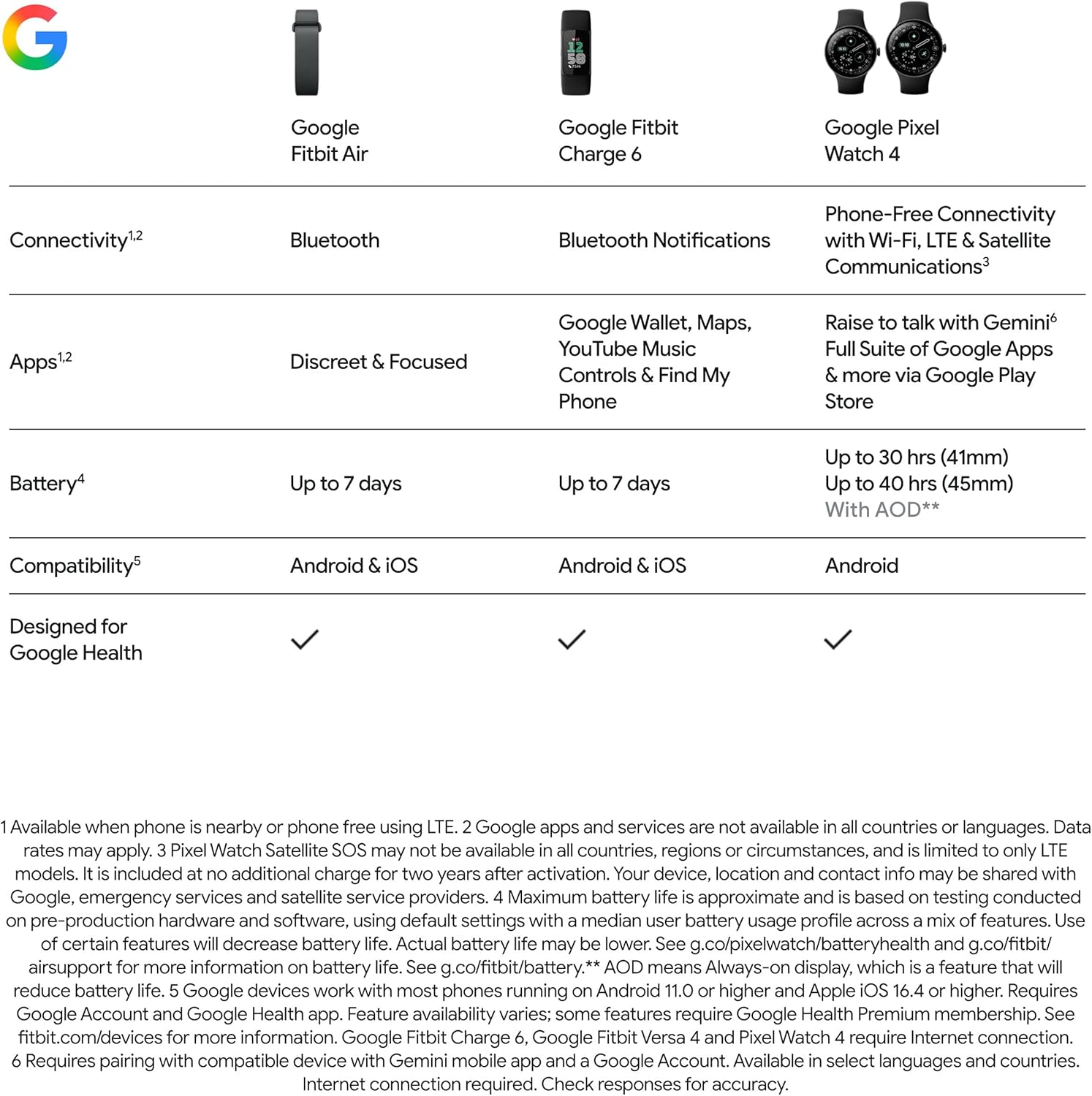
Battery life — up to 7 days on a single charge.
Fast charging — quickly restores battery power when needed.
Compatibility — works with Android 11+ and iOS 16.4+ through the Google Health app.
Brief Comparison
Google Fitbit Air focuses on simplicity, comfort, and deep integration with the Google ecosystem. It emphasizes AI-driven health insights, sleep tracking, and overall wellness.
WHOOP is designed primarily for athletes who need advanced recovery analysis, training load metrics, and readiness scores. However, it requires an ongoing subscription to unlock its full feature set.
Amazfit Helio Strap offers many of the same recovery-focused features as WHOOP, including HRV, recovery analysis, and BioCharge, without requiring a mandatory subscription. It also provides longer battery life of up to 10 days compared to Fitbit Air’s 7 days.

 Consoles
 Pre-order
 PlayStation 5
 Nintendo Switch 2
 Xbox
Xbox Collector’s Edition
 Trading Cards
 Used products

 Phones
 Tablets
 E-Readers
 Accessories













 Pickup at shop
 Pickup (Omniva, DPD, Unisend, Smartposti)
 International delivery

 Warranty and 14-Day Returns